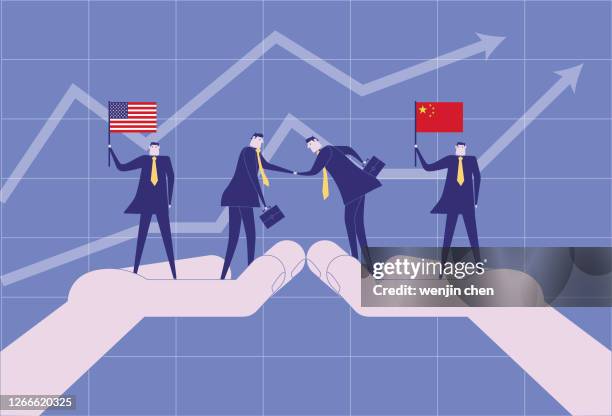
International economic cooperation allows countries to strengthen trade relationships and promote economic development. Governments negotiate agreements that reduce tariffs, simplify customs procedures, and encourage cross-border investment.
Trade agreements create opportunities for businesses to enter global markets and expand production capabilities. Companies benefit from improved logistics networks and regulatory frameworks that support international commerce.
Global economic institutions also contribute to policy coordination. These organizations monitor financial stability and encourage responsible economic practices among member states.
Infrastructure development plays a key role in supporting trade expansion. Transportation networks, digital platforms, and port facilities enable efficient movement of goods between countries.
Technological innovation has further improved international trade systems by enabling digital commerce and electronic payment platforms.
Through continued cooperation, nations can strengthen economic integration and support sustainable development across global markets.